A complete groundnut processing line transforms raw groundnuts into finished products—from roasted snacks to peanut butter. Whether you’re starting a small business or scaling up an existing operation, understanding the full processing workflow is the foundation of success.
This guide walks you through every stage of a modern peanut processing line, the equipment you need, and the profit potential at each scale.
What Is a Peanut Processing Line?
A groundnut processing line is a series of machines that handle each stage of turning raw groundnuts into market-ready products. The complete workflow covers:
- Harvesting (picking from soil)
- Shelling (removing outer shell)
- Roasting (baking for flavor)
- Peeling (removing red skin)
- Processing (making butter, oil, or snacks)
- Packaging (sealing for sale)
Each stage uses specialized equipment designed for that specific task.
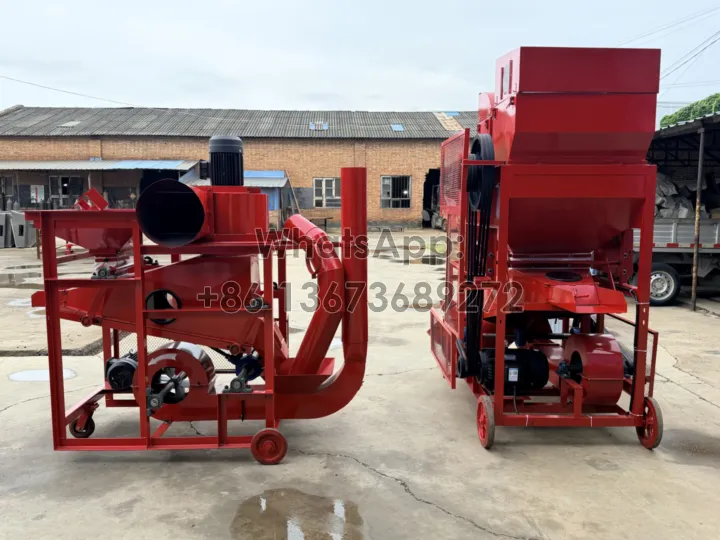
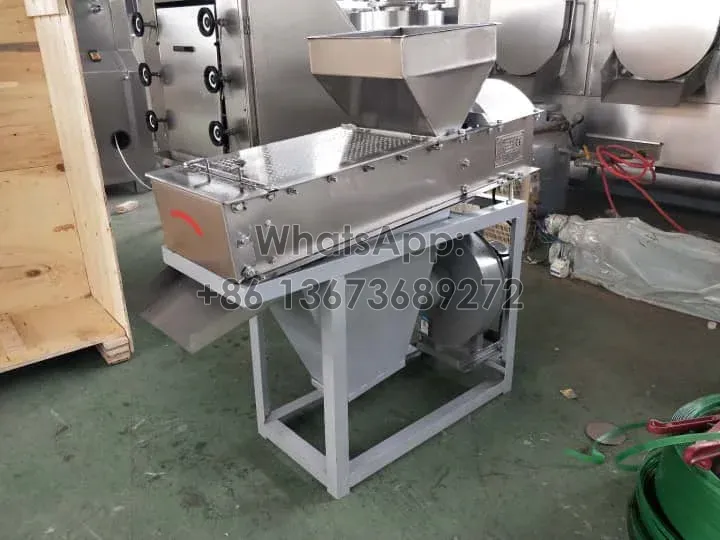
8 Stages of a Complete Groundnut Processing Line
| Stage | Function | Key Equipment | Output |
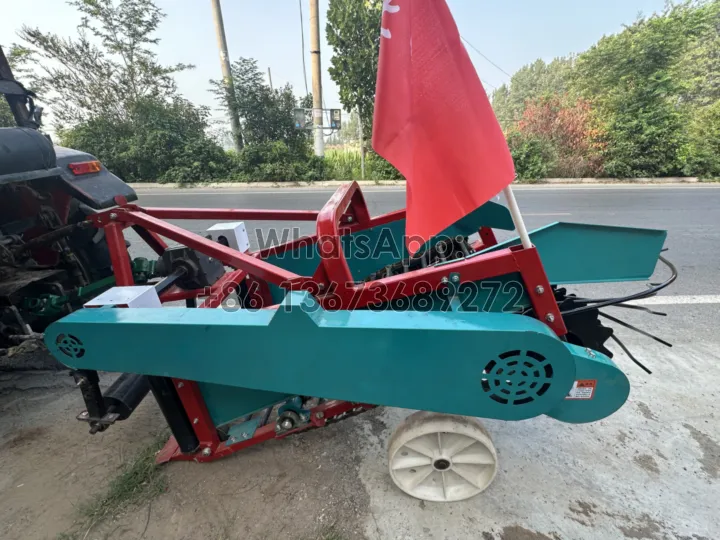
| Picking | Harvest peanuts from soil | Peanut Picker | Raw peanuts with vines |
| Cleaning | Remove dirt, stones | Vibrating Cleaner | Clean raw peanuts |
| Shelling | Remove outer shell | Groundnut Sheller | Peanut kernels |
| Sorting | Separate kernels by size | Grading Machine | Uniform kernels |
| Roasting | Bake for flavor | Peanut Roaster | Roasted peanuts |
| Peeling | Remove red skin | Peanut Peeling Machine | Blanched peanuts |
| Processing | Make butter, oil, snacks | Peanut Butter Machine | Final products |
| Packaging | Seal for sale | Packaging Machine | Retail-ready products |
Two Production Modes
Mode 1: Complete Peanut Production Line (Commercial)
Used by large factories processing 1+ tons per day. Requires:
- Full equipment set (all 8 stages)
- Dedicated facility
- Skilled operators
- High initial investment but high ROI
Mode 2: Small-Scale Groundnut Processing Line
Used by small businesses or farms. Requires:
- 2-3 essential machines (roaster, peeler, packaging)
- Basic workspace
- Part-time operators
- Lower investment, slower ROI
Production Capacity by Scale
| Operation Scale | Daily Capacity | Equipment Investment | Best For |
| Small (Startup) | 100-500 kg/day | $5, 000 − 15,000 | Local sales, small markets |
| Medium (Growing) | 500 kg-2 tons/day | $20, 000 − 50,000 | Regional distribution |
| Large (Commercial) | 2-10 tons/day | $80,000 − 200,000 | Wholesale, export |
Groundnut Processing Line Equipment Investment Breakdown
Approximate cost ranges for a complete line:
| Equipment | Price Range (USD) |
| Peanut Picker | 2,000 − 8,000 |
| Groundnut Sheller | 1,500 − 6,000 |
| Peanut Roaster | 3,000 − 10,000 |
| Peanut Peeling Machine | 1,500 − 8,000 |
| Peanut Butter Machine | 2,000 − 12,000 |
| Packaging Machine | 2,000 − 15,000 |
| Complete Line Total | 12,000 − 59,000 |
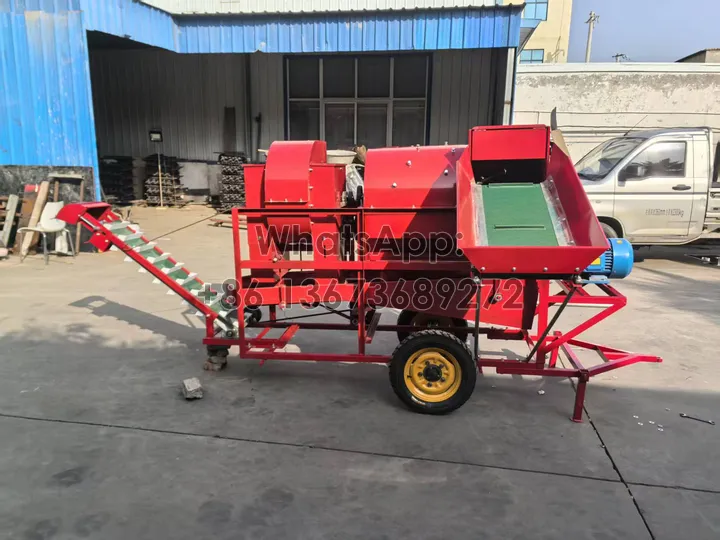
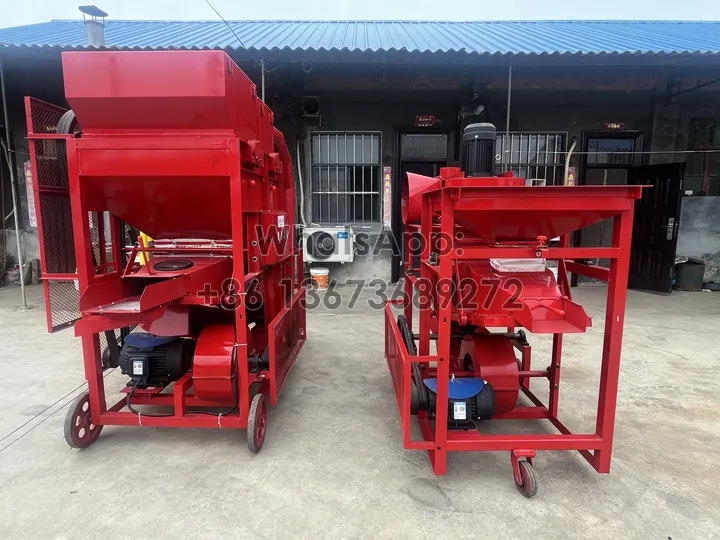
Profit Margin Analysis
Different peanut products offer different margins:
| Product | Raw Material Cost | Selling Price | Profit Margin |
| Roasted Peanuts (bulk) | $1.50/kg | $4-6/kg | 60-75% |
| Peanut Butter (retail) | $2/kg | $8-15/kg | 70-85% |
| Blanched Peanuts (wholesale) | $2.50/kg | $6-9/kg | 55-70% |
| Flavored/Snack Peanuts | $2/kg | $7-12/kg | 70-80% |
Peanut butter consistently offers the highest margins and strongest market demand.
5 Key Selection Factors of Groundnut Processing Line
- Market demand: What products sell best in your region?
- Capital available: Start small, scale up as profits grow
- Raw material supply: Is there a consistent local peanut supply?
- Facility space: Some machines need dedicated rooms
- Target customers: Retail, wholesale, or export focus?
Common Mistakes to Avoid
- Buying too much equipment at once — start with what you need, expand later
- Ignoring raw material quality — poor peanuts = poor products
- Skipping the cleaning stage — lead to damaged equipment
- Underestimating packaging importance — affect shelf life and sales
- Not planning for spare parts — lead to long downtime
How to Start a Peanut Processing Business?
- Research your market — what do local customers want?
- Start with 2-3 essential machines — roaster, peeler, packaging
- Test your products — refine recipes and quality
- Build customer base — start local, expand gradually
- Scale up — add equipment as demand grows
Most successful peanut processing businesses start small and reinvest profits into expansion.
Related Products
- Peanut Picker Machine - First step in any peanut processing line
- Groundnut Sheller - Remove outer shells efficiently
- Peanut Roaster Machine - For flavor development
- Peanut Peeling Machine - For blanched peanut production
- Peanut Butter Machine - High-margin product processing
- Chaff Cutter Machine - For peanut straw utilization
- Packaging Machine - Final stage equipment
Start Your Peanut Processing Journey
Ready to build your peanut processing line? We can help you design the right configuration for your budget, market, and production goals.
- WhatsApp: +86 136 7368 9272
- Email: info@taizyagromachine.com
- Website: taizyagromachine.com
We provide equipment selection guidance, factory pricing, payment method support (L/C, T/T), worldwide shipping, and full after-sales service for both small and commercial operations.